Colossians 4 (WEB)

Laodicea·City

Map
View on Google Maps
Appears in

Cities of the Lycus Valley

Site Study | Hershel Wayne House | Lycus Valley

Hierapolis, Laodicea, and Colossae are biblical cities spoken of by the apostle Paul. 

Hierapolis (modern Pamukkale) did not have an apostle's letter written to it, but in the second century, it became an important city. The apostle Philip was martyred there, and a disciple of the apostle John, Papias, lived there. 

One of the apostle Paul's letters was addressed to the church at Colosse due to the influence of some incipient gnostic beliefs, and the man Philemon appears to have been a member of that church. The apostle John addressed one of his letters in the Revelation to the church at Laodicea, speaking of their lukewarm condition.

Hierapolis (Pamukkale) and Caesarea Philippi (Panias, Banias) in Israel both have what was considered an entrance to Hades, though the entrance in Turkey boasted the fumes of Hades. Hierapolis was where the apostle (not evangelist) Philip was martyred and where Papias was bishop in the second century. The poison emitting from the site in Hierapolis would kill someone going into it and the priests would demonstrate this by putting in animal sacrifices, yet they did enter very briefly, and held their breath, I would presume. Colosse (it is finally being excavated) is near Laodicea and Hierapolis, though the latter is on the other side of Lycus Valley and Laodicea on the same side and much nearer to Colosse. The back area of Colosse has cold running waters in the streams, which also overflow on the ground near the city of Colosse. The rusted pipes of Laodicea demonstrate the hot pipes of the city and illustrate the statement that John uses, that Laodicea has neither the refreshing cold waters of Colosse nor the warm healing waters of the hot springs at Hierapolis.
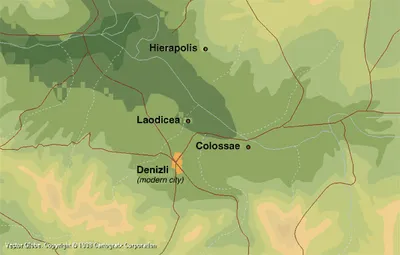
Map showing the Biblical Sites of Hierapolis, Laodicea, and Colossae
Map showing the Biblical Sites of Hierapolis, Laodicea, and Colossae

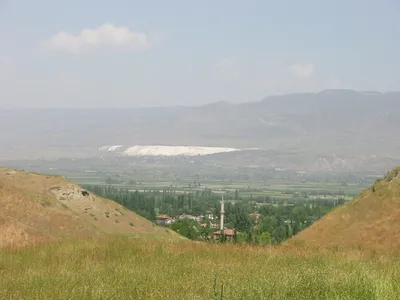
View of Hierapolis across Lycus Valley from Laodicea

View of Hierapolis across Lycus Valley from Laodicea

Hierapolis (Pammukale) Viewed across Lycus Valley from Laodicea
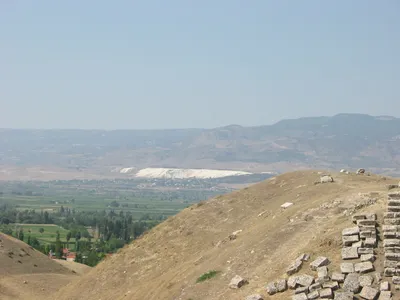
View of Hierapolis from Laodicea
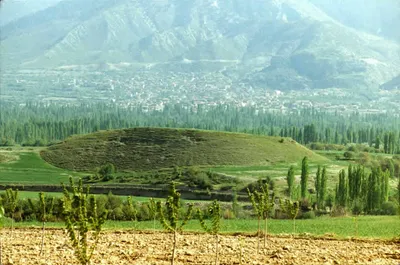
View of Hierapolis from Laodicea

Colossae (modern Denizli, Turkey)
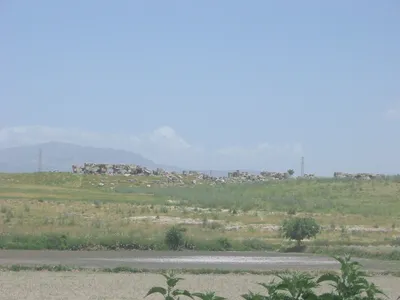
Colossae (modern Denizli, Turkey)

Ruins at Ancient Laodicea
Ruins at Ancient Laodicea

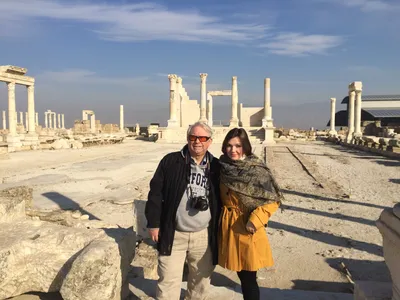
Dr. and Mrs. House in Temple at Laodicea
Dr. and Mrs. House in Temple at Laodicea

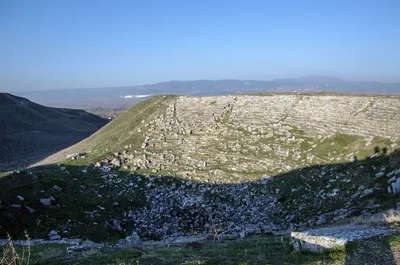
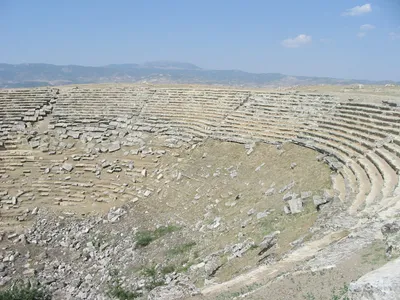
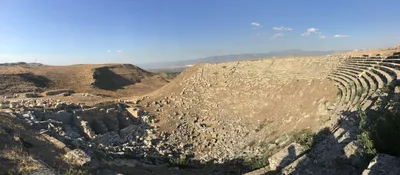
Theater at Laodicea
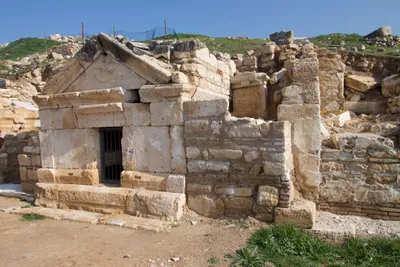
Theater at Laodicea
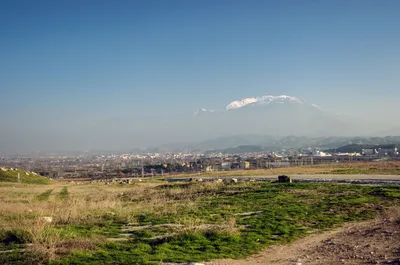
Tomb of the Apostle Philip at Hierapolis

Tomb of the Apostle Philip at Hierapolis

Site Study | Brian Kvasnica

A city in western Turkey (formerly Asia Minor and Anatolia) in the Lycos Valley in the Roman province of Phrygia.  Laodicea was one of the seven congregations of Revelation (1:11, 3:14), a congregation possibly founded by Epaphras (Col 1:7 and 4:13).  The city of Laodicea (Ad Lycum) had been founded by Antiochus II (261-246 BC) of Syria who named it after his wife Laodike; and he populated it with Syrians and with Jews, the latter which were transplanted from Babylonia.  Laodicea, naturally lying on the major southern Anatolian highway and at a key junction, began to flourish after the Roman province of Asia was formed in 190 B.C.  Thus Laodicea was especially known for its: fine black wool, Phrygian powder for the eyes manufactured there (Rev 3:18), and renowned school of medicine.  An earthquake in AD 60 almost entirely destroyed Laodicea, however wealthy citizens rejected Rome’s aid and quickly rebuilt it at their own expense (see Rev 3:17). It was a city of great wealth, with extensive banking operations (see Rev 3:18). Little is known of the early history of the Messianic movement of Jews and God-fearers; however, Laodicea was made the bishopric of Phrygia and about 166 AD Sagaris, its bishop, was martyred.  In 1071 Laodicea was taken by the Seljuks; in 1119 John Comnenus won it back for the Christians, and in the 13th century it fell into the hands of the Turks. The ruins, today called Eski Hissar or old castle, lie near the Turkish town Gonjelli, and they have long served as a quarry for the neighboring town of Denizli. Much can still be seen today from the Roman period, including an aqueduct bringing water across the valley by an inverted siphon of stone pipes, a theater, a stadium, a colonnade as well as a necropolis and ruins of three churches.  Turkey announced in 2011 that a large church with 11 apses and a baptistery was discovered at Laodicea, tentatively dated to the fourth century.  If the dating is correct, the church would have witnessed or even hosted the Council of Laodicea in AD 363-365. - BK

City of Laodicea, Lycus Valley of Asia Minor

Site Study | Mark Wilson | Turkey

Laodicea was situated on the south bank of the Lycus River, with Hierapolis its neighboring city to the north and Colossae to the east.  It was one of five cities founded by the Seleucid ruler Antiochus II around 260 BC, which were named after his wife Laodice. Zeus was the main pagan deity of the city. Its location at a major road junction on the southern Anatolian highway caused the city to thrive as a commercial and banking center. After the Treaty of Apamea in 188 B.C., the city was transferred from Seleucid to Pergamene rule. When Roman control came in 129 B.C., Laodicea became a conventus city in the newly organized province of Asia. Twenty pounds of gold bound for the temple in Jerusalem was confiscated here by the proconsul Flaccus. This amount suggests a Jewish population of over 7,500 male adults plus women and children in the area. 

Laodicea was often struck by earthquakes. One occurred during the reign of Augustus, and in 60 AD an earthquake devastated many Asian cities including Laodicea. Laodicea recovered from this quake using its own resources, an indication of Laodicea’s wealth and civic independence. The city was noted for a breed of sheep that produced soft, raven–black wool. Laodicea was also the home of a medical school in the first century. Laodicea is mentioned in Paul’s letter to the Colossians, which was to be read to the church in Laodicea (Col 4:16). It is possible that the circular letter to the Ephesians is the letter from the Laodiceans mentioned in the same verse. Laodicea is the final church addressed by John in Revelation 2-3. A bishop named Sagaris was martyred in Laodicea. The Council of Laodicea met here in AD 363.

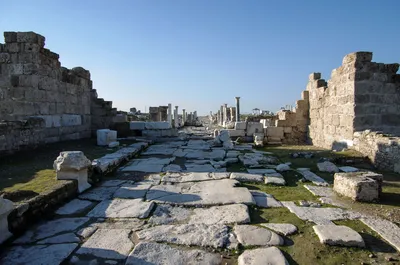
City Street of Laodicea

City Street of Laodicea

Roman Road at Laodicea

Theater at Laodicea (Greek architecture)

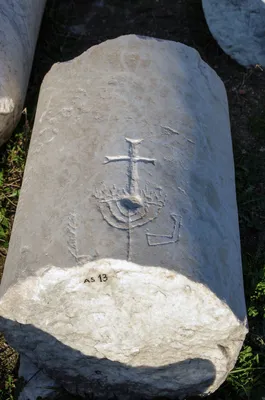
Column with Menorah and Cross

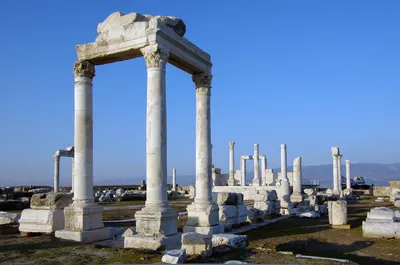
Ruins of Temple in Laodicea

Ruins of Temple in Laodicea

Temple, Laodicea

Amphitheater at Laodicea

Laodicea

Person & place data: Theographic Bible Metadata by Robert Rouse (Viz.Bible), CC BY-SA 4.0.
Colossians 4 (WEB)

1Masters, give to your servants that which is just and equal, knowing that you also have a Master in heaven.

2Continue steadfastly in prayer, watching in it with thanksgiving, 3praying together for us also, that God may open to us a door for the word, to speak the mystery of Christ, for which I am also in bonds, 4that I may reveal it as I ought to speak.

5Walk in wisdom toward those who are outside, redeeming the time. 6Let your speech always be with grace, seasoned with salt, that you may know how you ought to answer each one.

7All my affairs will be made known to you by Tychicus, the beloved brother, faithful servant, and fellow bondservant in the Lord. 8I am sending him to you for this very purpose, that he may know your circumstances and comfort your hearts, 9together with Onesimus, the faithful and beloved brother, who is one of you. They will make known to you everything that is going on here.

10Aristarchus, my fellow prisoner, greets you, and Mark the cousin of Barnabas (concerning whom you received instructions, “if he comes to you, receive him”), 11and Jesus who is called Justus. These are my only fellow workers for God’s Kingdom who are of the circumcision, men who have been a comfort to me.

12Epaphras, who is one of you, a servant of Christ, salutes you, always striving for you in his prayers, that you may stand perfect and complete in all the will of God. 13For I testify about him that he has great zeal for you, and for those in Laodicea, and for those in Hierapolis. 14Luke the beloved physician and Demas greet you. 15Greet the brothers who are in Laodicea, with Nymphas and the assembly that is in his house. 16When this letter has been read among you, cause it to be read also in the assembly of the Laodiceans, and that you also read the letter from Laodicea. 17Tell Archippus, “Take heed to the ministry which you have received in the Lord, that you fulfill it.”

18I, Paul, write this greeting with my own hand. Remember my chains. Grace be with you. Amen.

Laodicea